What Equipment Is Similar to Rotary Dryer Components?
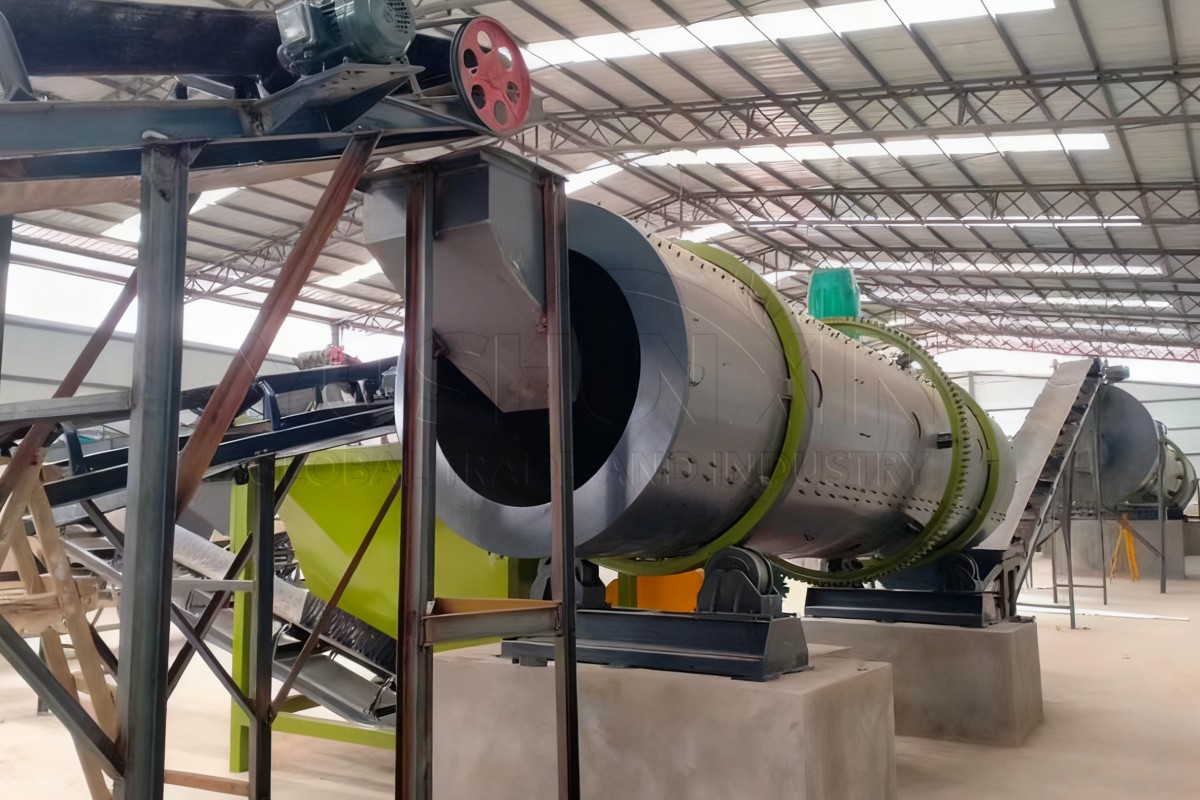
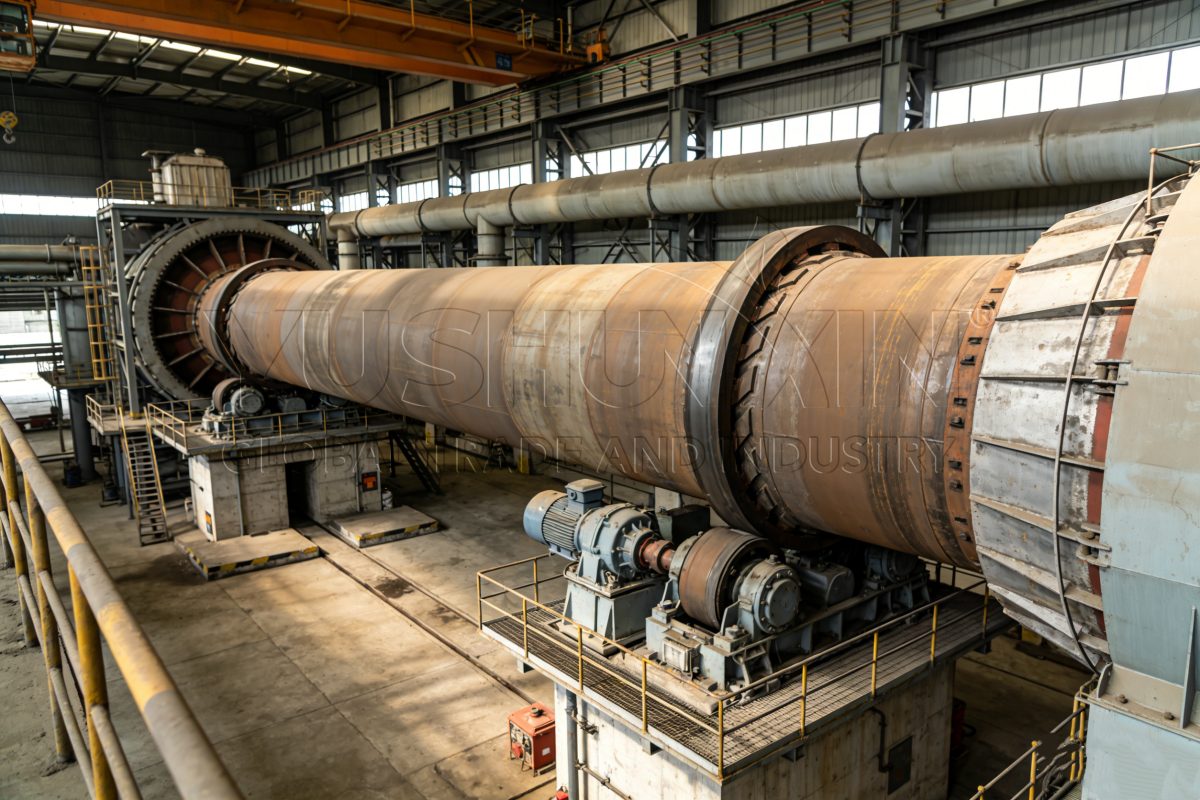
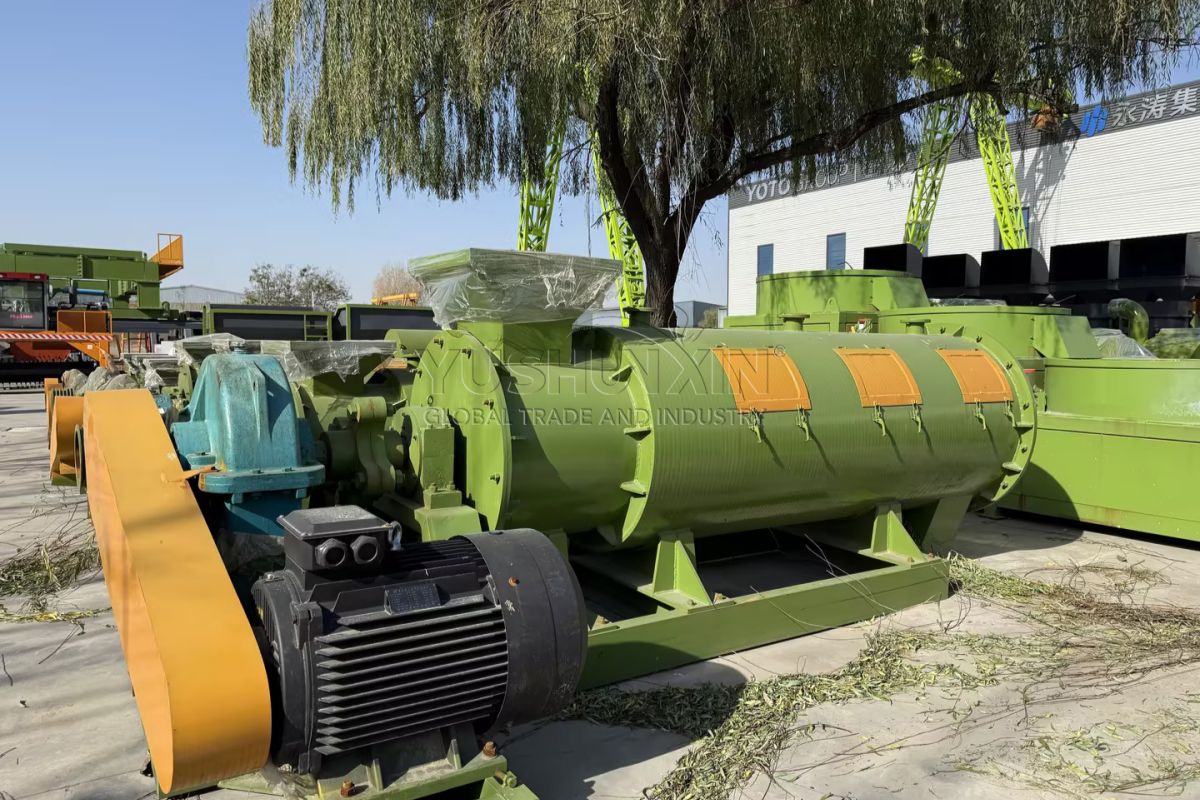
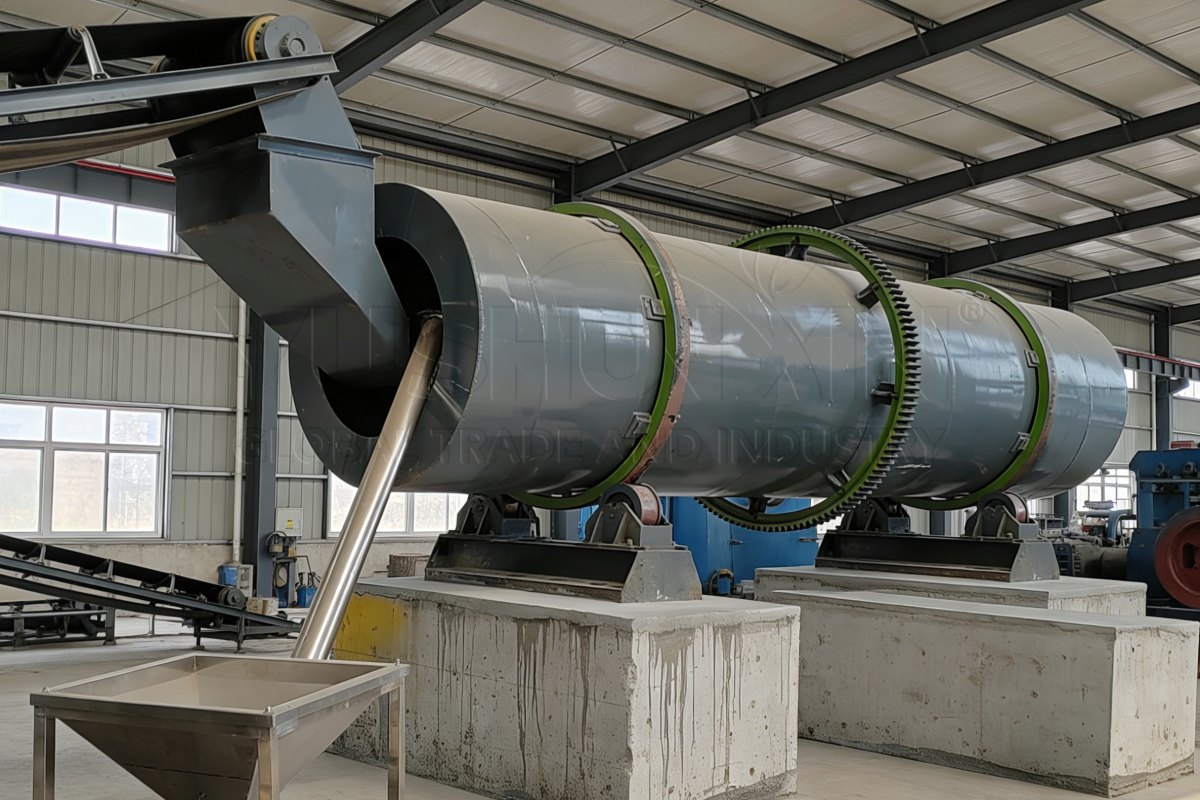
In fact, drum dryer share the same rotating drum structure and driving system design with many rotary-type machines. Επομένως, spare parts production shows strong similarity across these rotary machines. For example, drum granulator and the new type organic fertilizer granulator with wet granulation technology use the same structure. Their cylinders, driving units, and support system use nearly identical mechanical parts, although internal functional components differ. Εκτός, rotary coolers και coating machine apply the same rotating drum structure and many similar spare parts. Επί πλέον, in terms of appearance, rotary dryers and rotary kilns belong to the same rotating equipment family. Ωστόσο, rotary kilns focus on calcination processes instead of drying production. Nevertheless, they both feature slightly inclined cylindrical shells, comparable drive assemblies, and exhaust systems. So we also have the capability to design and process the corresponding accessories.

How to Customizable Design Spare Parts for Rotary Drying Machine?
Although standard models of drum drying machines are available on the market, in actual industrial production, every client faces unique drying conditions like material properties, περιεκτικότητα σε υγρασία, corrosiveness, abrasiveness, and temperature. Ετσι, customizable spare parts design becomes essential for stable rotary drying processes.
1
Material Selection & Structural Optimization
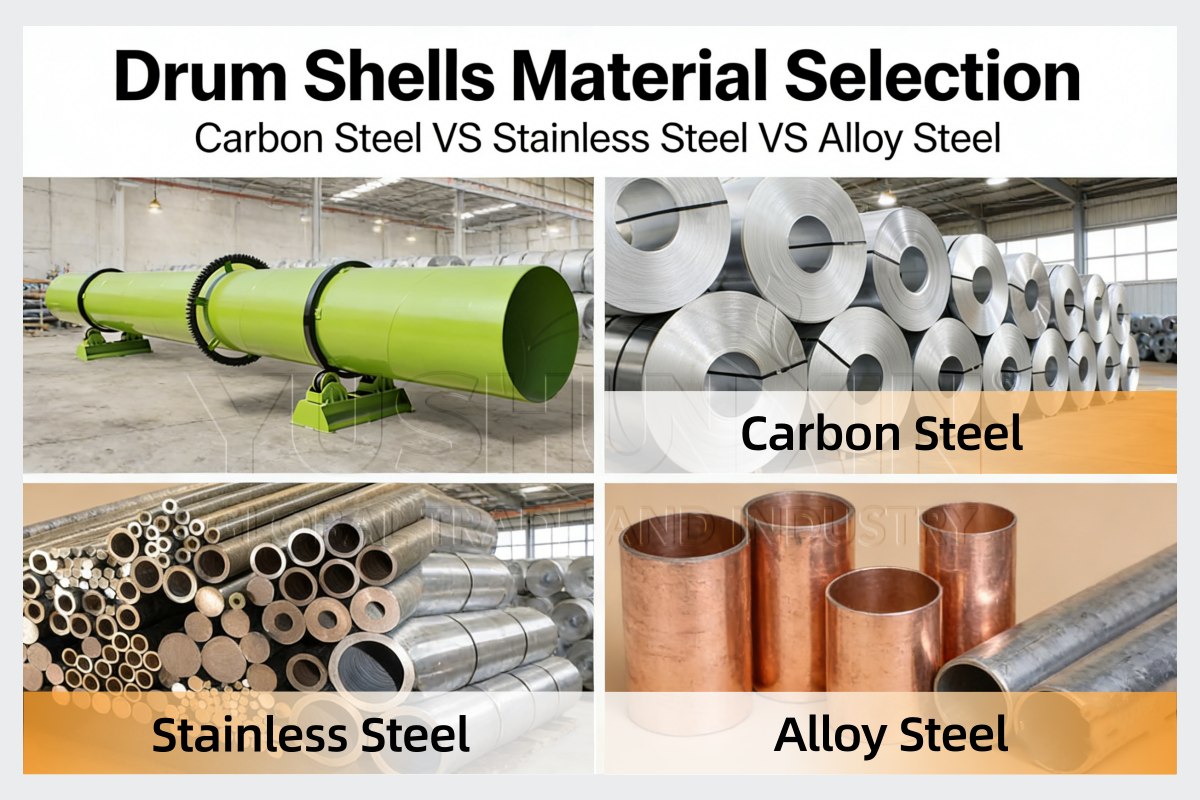
Different drying materials require different structural solutions. For instance, mineral slag shows high abrasion behavior during continuous drying production; Sludge show strong viscosity during moisture reduction procedures; Meanwhile, fertilizer shows corrosion behavior during long-term drying processing. Επομένως, our engineers design drum shells and main components with carbon steel, stainless steel, or alloy steel. Because, carbon steel offers cost efficiency, stainless steel resists acid and moisture, and alloy steel endures high temperature and friction. Επίσης, our design team adjusts drum thickness and insulation structures for specific drying technology systems for higher thermal efficiency and lower energy consumption.
2
Two Purchase Options for Drum Dryer Spare Parts
Usually, individual rotary dryer components cost about 100–500 US dollars per unit. Ωστόσο, the purchase price for complete sets of dryer assemblies more affordable. Επομένως, our company offers two professional spare parts design and buying suggestions.
Πρώτα, one model combines rotary dryer machines with full spare parts packages. When you buy our fertilizer dryers, you can select driving systems, burners, and drum components at once according to your moisture reduction requirements. Ετσι, our customer can maintain long-term stable fertilizer drying production without component replacement risks. And it ensure overall compatibility and operational efficiency of the drying system.
Secondly, another option focuses on OEM/ODM spare parts manufacturing for existing drying machines. Many factories already have their own drying machines. So we can redesign parts following your drawings or samples. Or we remanufacture the drying parts structure based on raw material parameters.
Drum Shell Design for Rotary Drying & Heat Preservation Systems
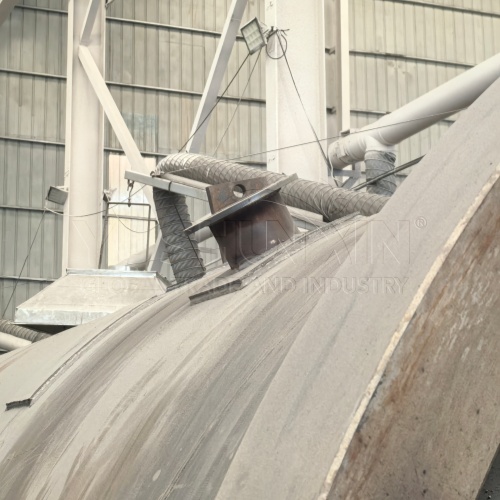
Τhe drum shell serves as the main body of the rotary drying machine. The shell material selection directly influences drying efficiency and thermal stability. We design drum shells with adjustable thickness, multiple materials, and optional liners based on raw materials’ characteristics.
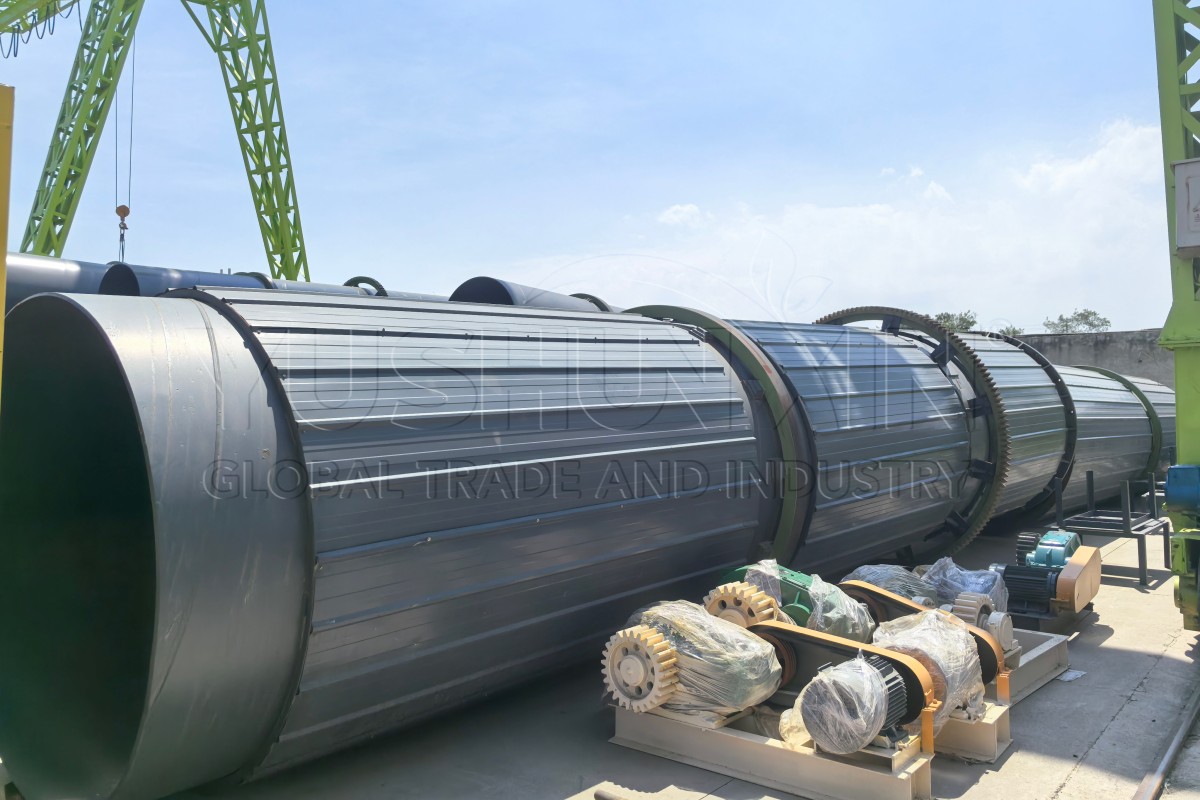
Επίσης, the shell material options include carbon steel, stainless steel, και composite alloy steel. For example, carbon steel shells support general fertilizer drying production with cost efficiency. Stainless steel shells support acidic fertilizer drying with corrosion resistance. Moreover, composite alloy steel shells support high-temperature drying processes. Among these, a stainless drum usually costs twice as much as carbon steel for highly corrosive materials and special chemical fertilizer raw materials.
Additionally, the thickness of the drum cylinder is highly correlated with thermal insulation performance. When your drying system requires high thermal stability, we recommend these 3 ways: 1) increasing the plate thickness of the cylinder; 2) adding external insulation layers; 3) installing composite refractory linings. Ετσι, these design improvements reduce fuel loss and increase thermal efficiency across the entire drying system.
Combustion System Components for Rotary Drying Technology


Combustion Chamber Design for Drying Airflow Control
The combustion chamber supports the actual burning procedure and controls airflow direction during drying production. The key to designing a combustion chamber is to prevent direct contact between flames and materials, ensuring uniform drying. So, there are usually the following customization plans: 1) designing single or double shell structures; 2) adopting refractory lining; 3) adjusting chamber inclination to optimize hot air flow.
Burner Design for Energy Output & Drying Efficiency
The burner functions as the heat source of the drying system, which determines the drying efficiency and energy consumption. Ετσι, we offer many options for customizing burners with various fuels, including electric heating, natural gas, diesel, and more. Επίσης, our engineers will recommend the most suitable burner model and heat output scheme based on the stability of local energy supply, actual fuel price, and operating conditions. Ετσι, burning systems in your factories achieve economic operation and stable drying efficiency.
Driving System Core Parts for Continuous Drying Process
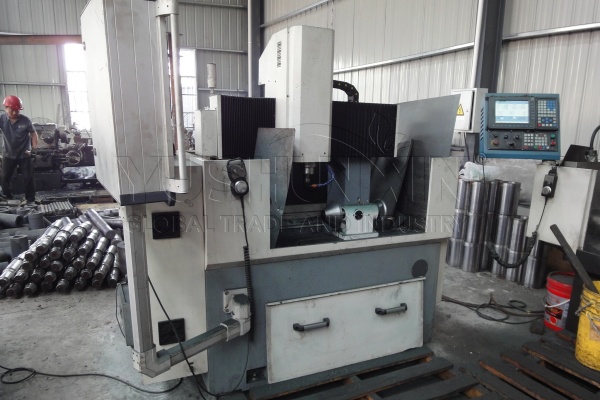
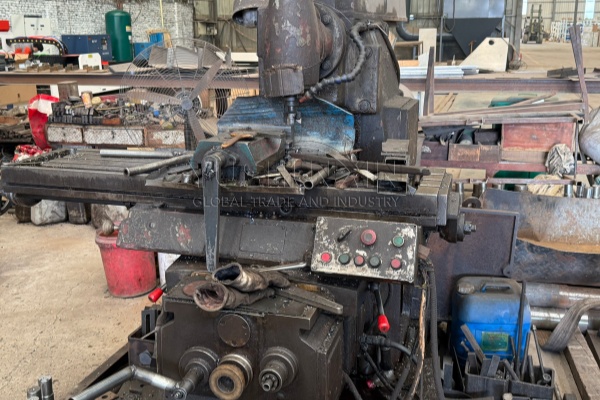
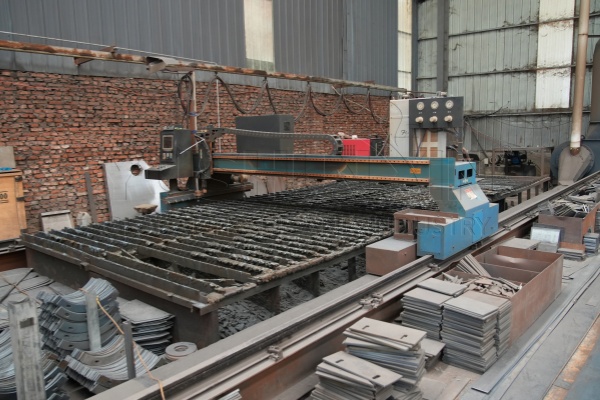
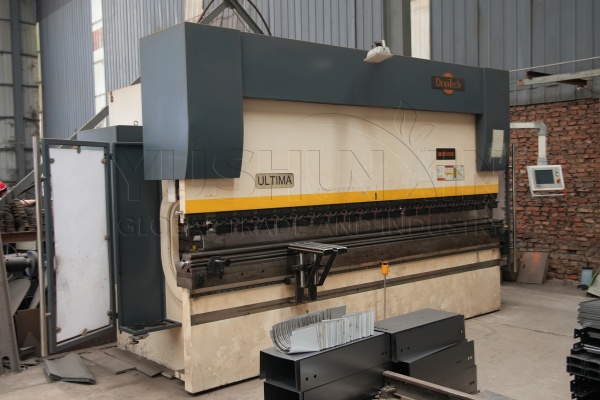
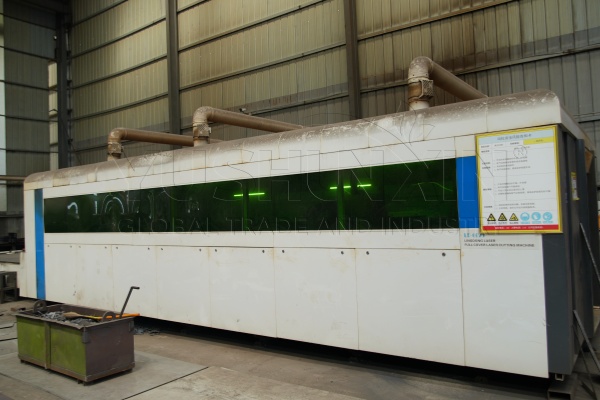
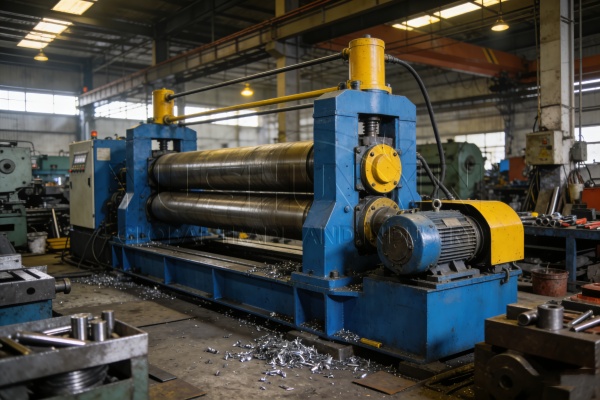
Indeed, rotary dryers, drum granulators, coating machines, and organic granulators share the same rotating mechanical system. The drive system ensures the continuous rotation of the drying drum. So the drive system, support system, and transmission unit are highly interchangeable. What’s more, our factory manufactures these components using heavy-duty lathes, CNC centers, and gear machining equipment. The core components are as following:
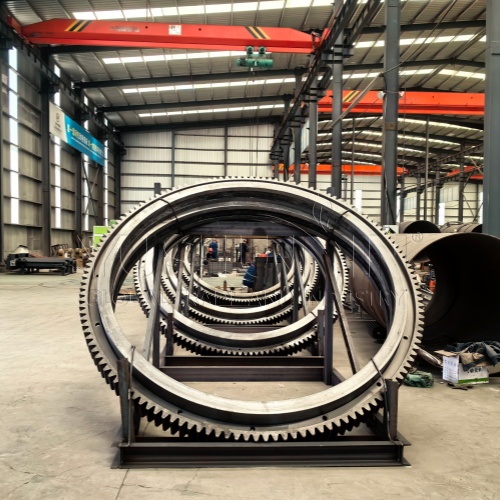
They transmit main mechanical power for continuous drum rotation.
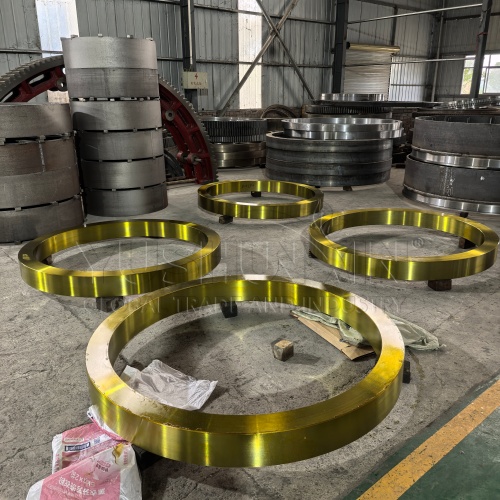
These maintain the rotating centerline and prevent structural deformation.
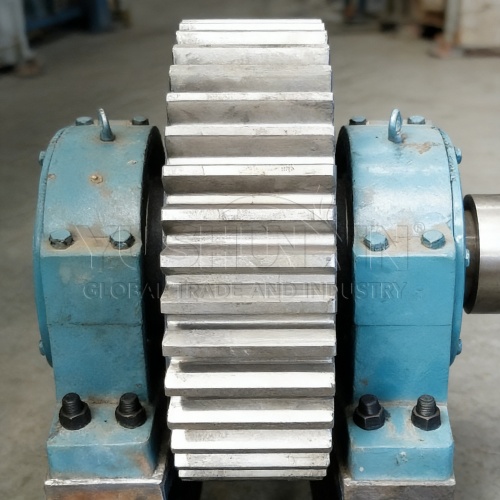
Support rollers bear the dryer’s weight, while pinion gears drive and stabilize rotation.
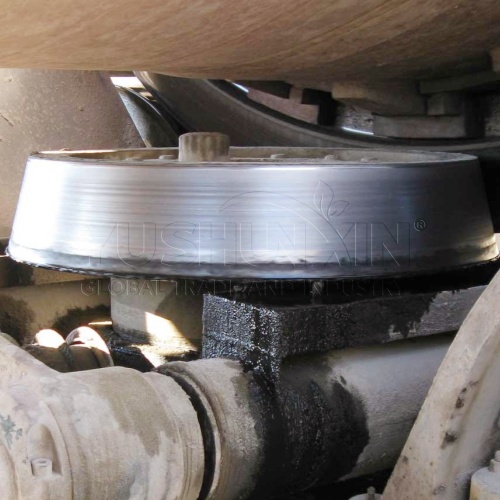
Moreover, thrust rollers prevent axial displacement during long-time drying production.
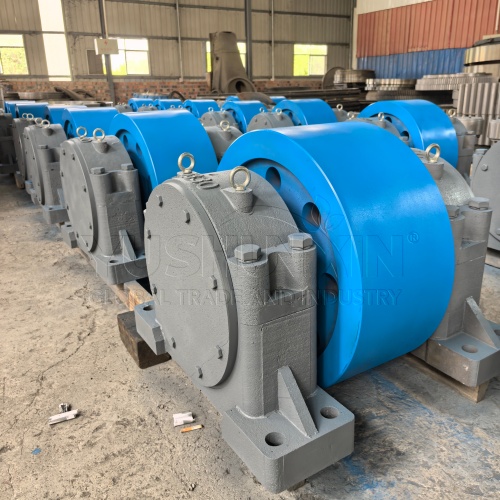
Bearing houses protect bearings from dust, moisture, and high temperature.
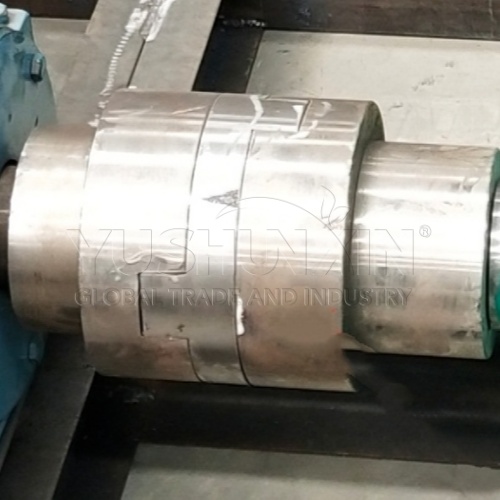
Couplings connects the reducer to the spindle, reducing system load.
Lifting Blades System Design

The lifting blade system directly controls drying efficiency. It lifts and disperses materials inside the drum, increasing contact between hot air and the product. The blade system directly influences drying time, moisture reduction efficiency, and production quality. Επομένως, our engineers customize lifting blades’ angles and patterns according to your material’s types, moisture and distribution.
For instance, we recommend using arc-shaped plates for granular fertilizers, dense distribution type blades for mineral powders, και anti-adhesion spiral lifters for sticky sludge. Meanwhile, we apply anti-stick technologies include curved surfaces, perforated blades, and self-cleaning combinations. Moreover, we fabricate blades from carbon steel, wear-resistant alloy, or stainless steel to extend service life and ensure consistent drying performance.
Knocking System Design for Anti-Sticking Drying Operation
The knocking system reduces material sticking during rotary drying rotation. Because it uses steel balls or small hammers to gently strike the outer shell during drum movement without damaging internal surfaces. Then, this mechanism loosens clumps without damaging the inner liner. Επίσης, it can be flexibly configured based on drum dimensions and material characteristics. Ετσι, this system is simple and cost-effective, making it an excellent “high-value functional accessory” for customers to purchase as an add-on.